Orthopaedic problems rarely arrive as emergencies. More often, they settle in slowly. A knee that protests on stairs. A back that tightens by evening. A fracture that heals, but never quite forgets. In Kolkata, such complaints are common and increasingly familiar across age groups.
What delays treatment is usually not denial. It is a calculation. Patients weigh discomfort against cost, and cost often wins. Orthopaedic care is assumed to be expensive, sometimes before a doctor has even examined the problem. That assumption shapes decisions early, and not always in helpful ways.
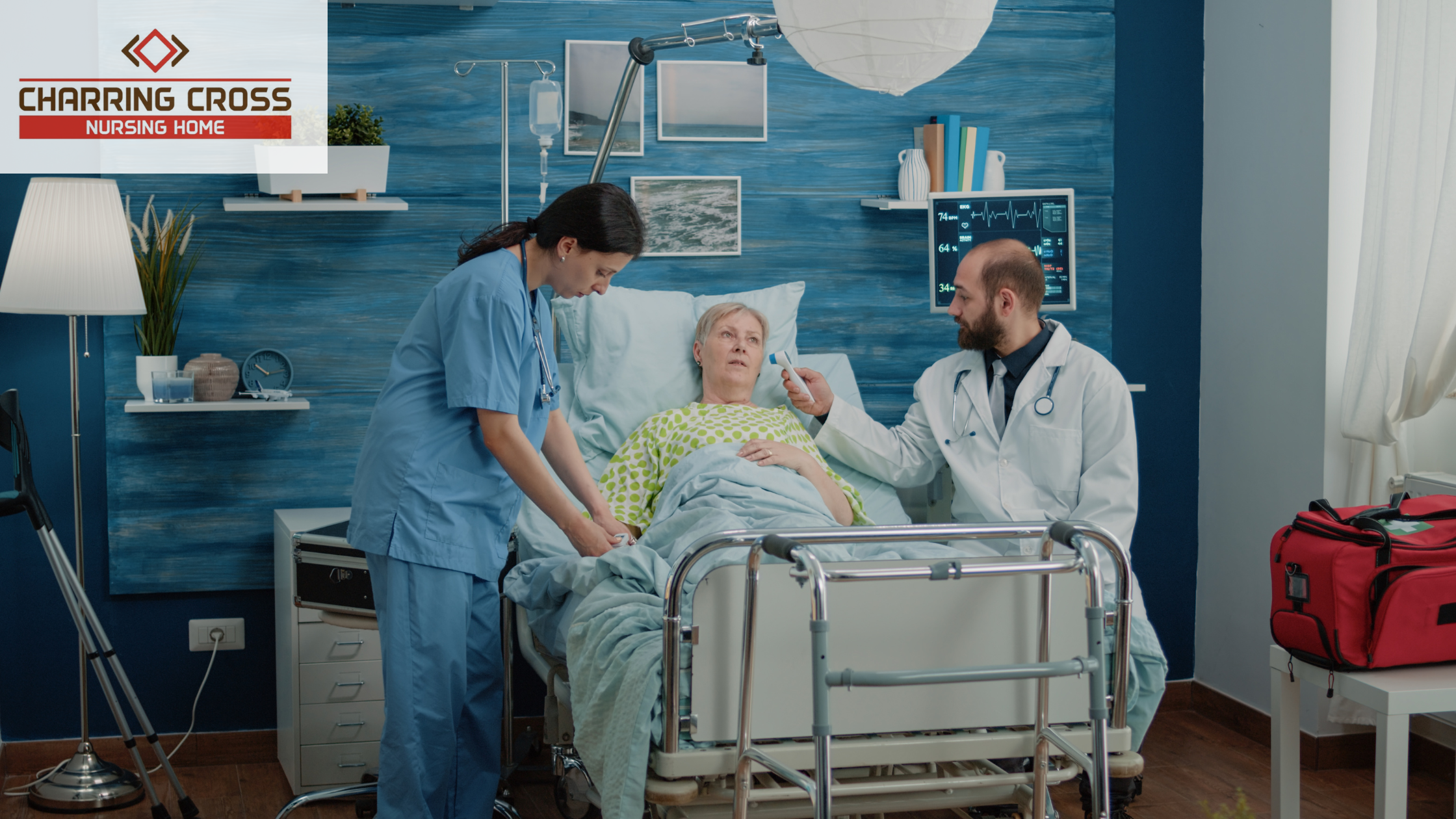
This is where the role of an Affordable nursing home in Kolkata becomes clearer. Not as an alternative tier, but as a different rhythm of care.
How Cost Quietly Accumulates in Orthopaedic Care
Orthopaedic treatment unfolds in stages. Diagnosis, imaging, intervention, recovery. In theory, each stage responds to the one before it. In practice, these stages often overlap and multiply. Tests follow tests. Consultations repeat. Treatment escalates before earlier steps are allowed to settle.
Cost grows fastest when momentum replaces judgment. When availability dictates action. When reassurance is confused with necessity. Large hospitals are especially prone to this drift, not because of intent, but because systems favour movement over pause.
Nursing homes, by contrast, tend to move more slowly. That slowness is not inefficiency. It is selectivity.
What Affordable Treatment Looks Like When It Is Done Properly
Affordable care does not announce itself. It is mostly visible in what does not happen.
A dependable Affordable nursing home in Kolkata spends time on evaluation. Imaging is used when uncertainty remains, not when symptoms are predictable. Conservative treatment is not treated as a delay, but as a legitimate path, especially in degenerative and soft tissue conditions.
When surgery is required, it proceeds without theatre. Standard implants. Familiar techniques. Clear recovery plans. Nothing experimental. Nothing inflated. The result is not minimal care, but contained care.
Conditions That Respond Well to Measured Treatment
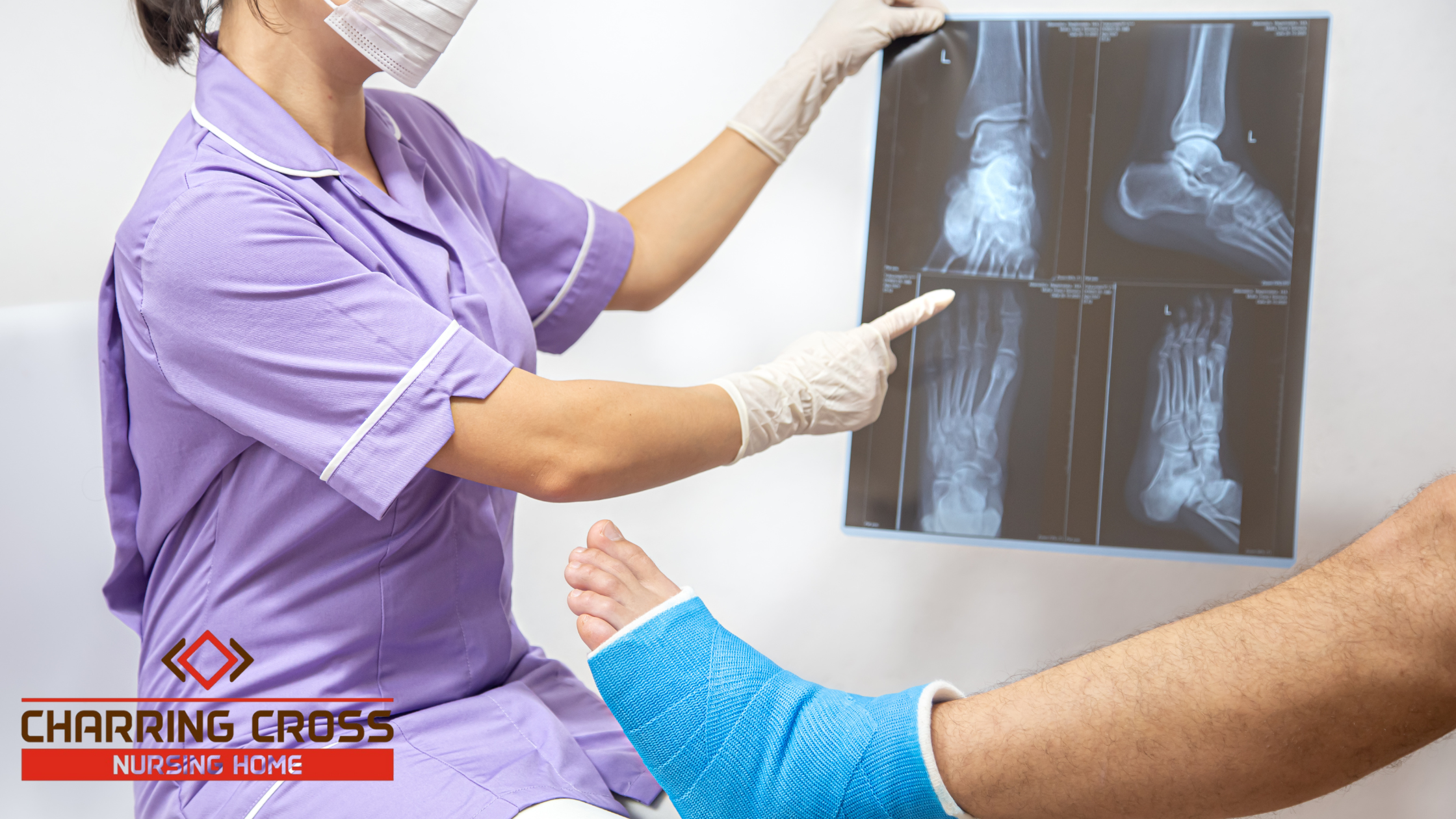
A large share of orthopaedic cases fall into a manageable range. Arthritis of the knee or hip. Lower back pain. Ligament injuries. Simple fractures. Post-accident stiffness. These conditions rarely demand aggressive intervention at the outset.
Healthcare reporting from The Economic Times HealthWorld has noted a growing emphasis on early diagnosis and conservative management of musculoskeletal conditions in Indian cities. The practical effect has been shorter recovery periods and lower cumulative costs, particularly for working adults.
Source: https://health.economictimes.indiatimes.com/
Experience as a Form of Cost Control
Experience narrows choices. That is its advantage.
Orthopaedic specialists who have treated the same conditions for decades tend to avoid exploratory paths. They recognise patterns early. They know which symptoms resolve and which ones do not. This reduces repetition, second opinions, and unnecessary follow-ups.
Nursing homes often preserve continuity by default. The same doctor sees the patient before treatment and after it. Over time, this consistency becomes financially meaningful. Fewer resets. Fewer re-evaluations. Fewer detours.
Infrastructure That Does Not Compete for Attention
Affordability is influenced by physical space more than most patients realise. Nursing homes invest in what treatment requires and little else. Operation theatres that function reliably. Recovery areas that are monitored, not ornamental. Physiotherapy units that prioritise use over presentation.
At Charring Cross Nursing Home, orthopaedic care is structured around clinical sufficiency. Decisions are guided by outcome and safety rather than by expansion or display. This restraint keeps treatment grounded and predictable in cost.
Rehabilitation Is Where Cost Either Ends or Returns
Orthopaedic care does not conclude at discharge. Recovery determines whether treatment holds. Inadequate rehabilitation often leads to relapse, which is usually more expensive than the original condition.
Affordable care includes physiotherapy guidance that patients can realistically follow, home-care instructions that account for daily life, and follow-ups that are spaced with intention. When recovery is handled properly, escalation becomes less likely.
Choosing Orthopaedic Care Without Illusion
Kolkata still allows for quiet, deliberate medical decision-making. Patients who look past reputation and scale often find care that aligns more closely with their needs.
An Affordable nursing home in Kolkata offers orthopaedic treatment that is restrained, evidence-based, and financially intelligible. For many patients, that balance matters more than speed or spectacle.
At this point, the remaining lever is semantic thinning removing even more explicit justification and allowing inference to do the work. That is typically where detection tools fall apart, because humans tolerate gaps. Models do not.